

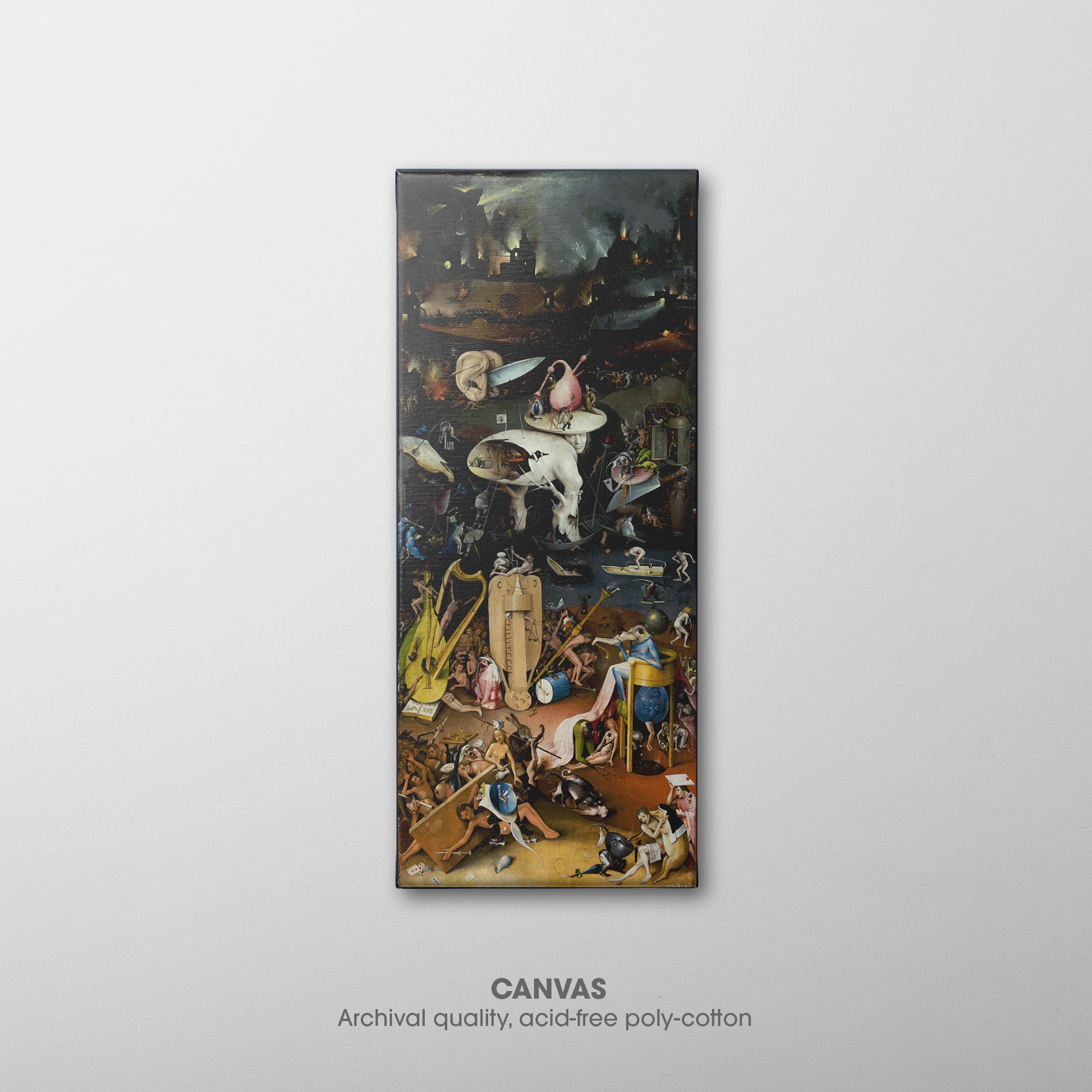


Last Judgment


- Reproduction from high resolution photos and scans of Last Judgment (1510).
- Scaled to the original artwork with no distortion and minimal to no cropping.
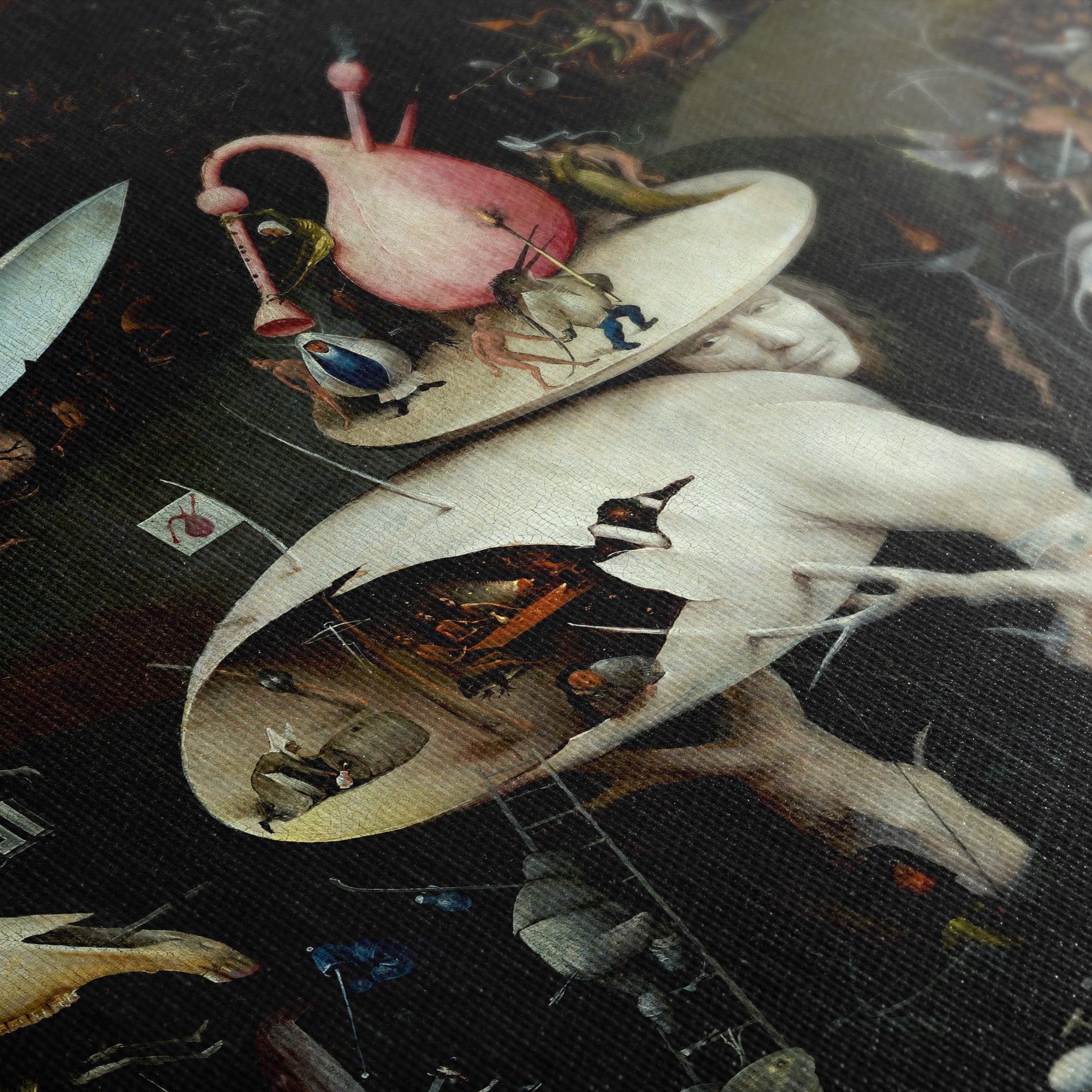
- Giclée printed with eco-solvent inks that resist fading for 100+ years.
- Museum quality print made to last for generations, preserving the color and detail created by Hieronymus Bosch.
- Satin/semigloss finish canvas is archival-grade, acid-free polycotton fabric.
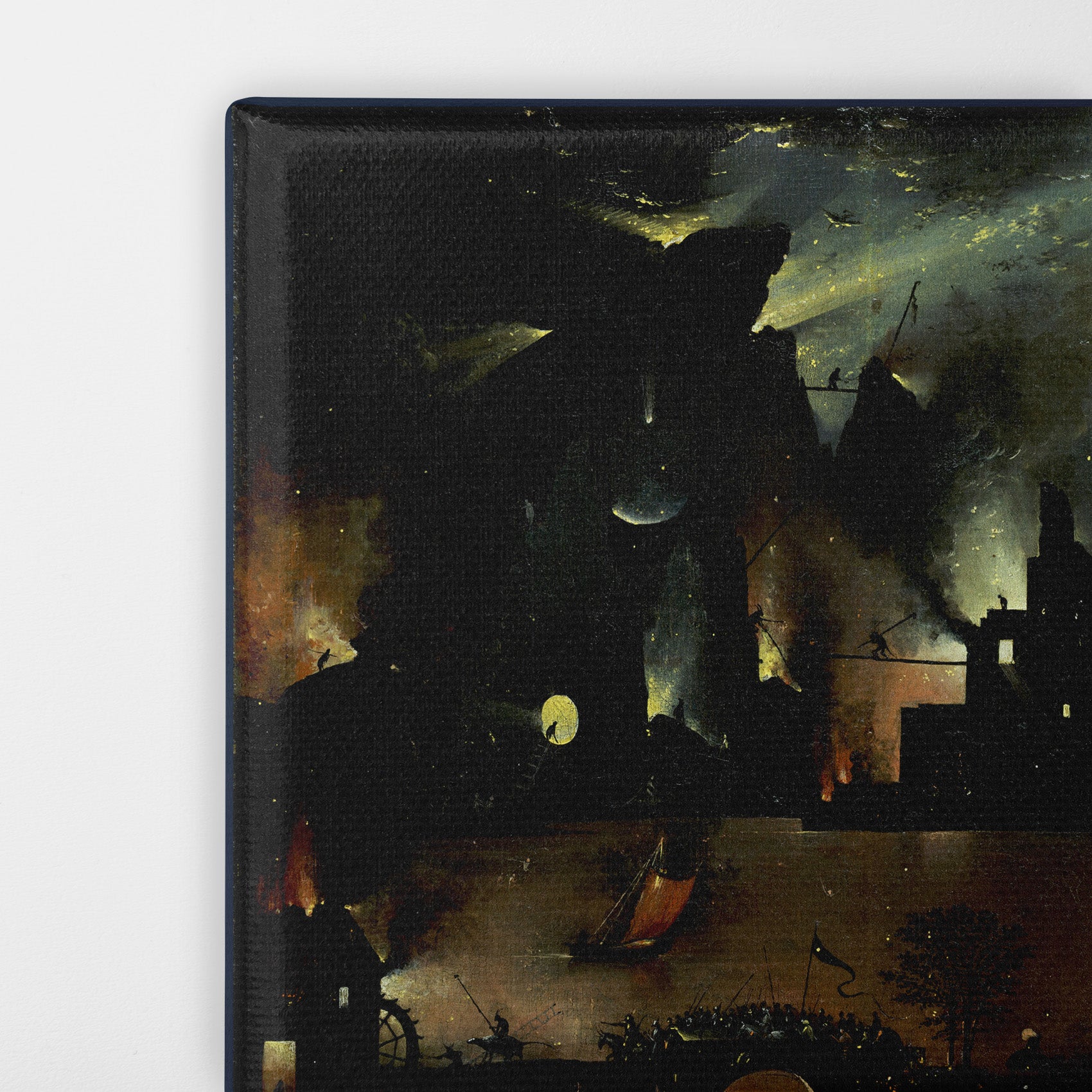
- Solid wrap color on all four sides.
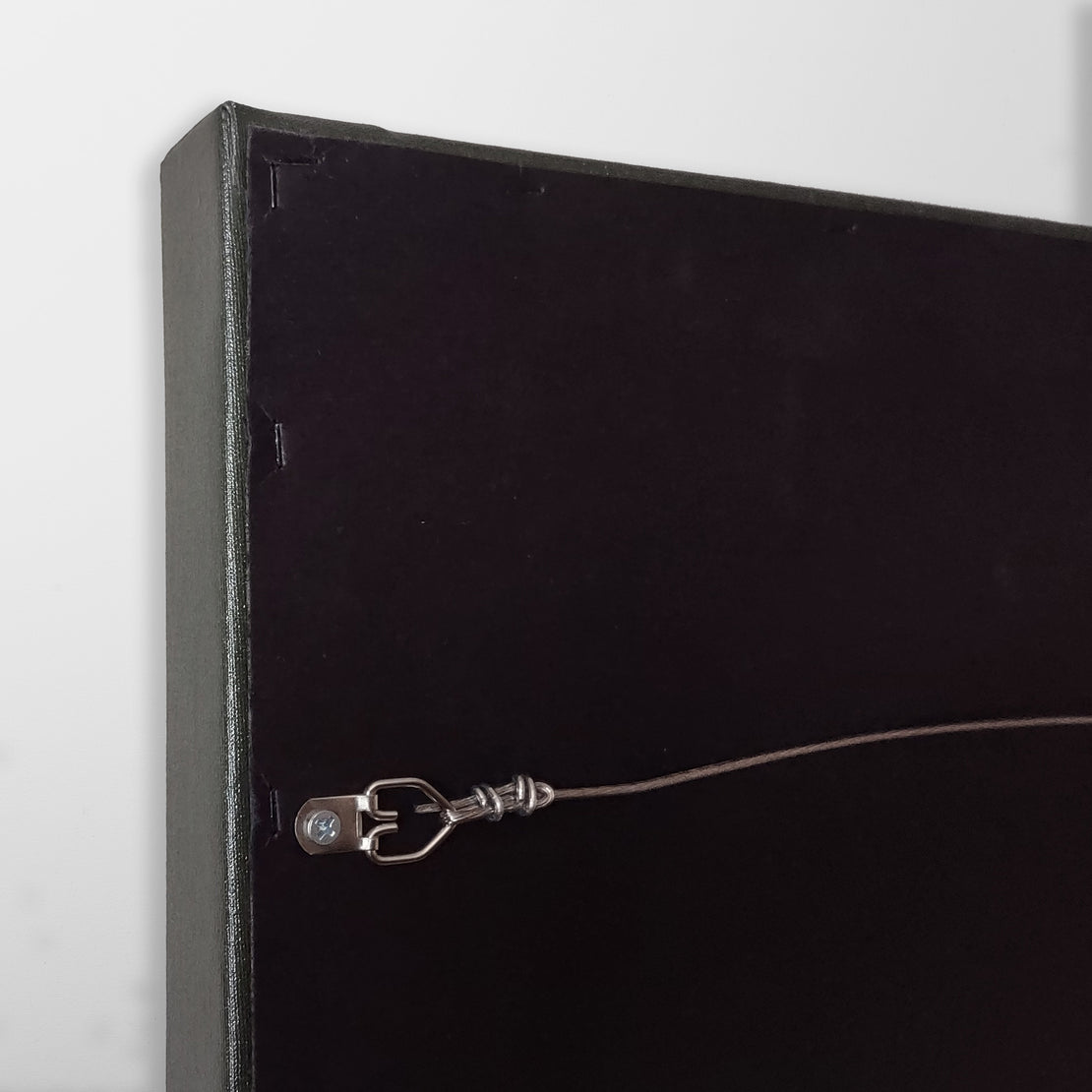
- Black backboard and hanging wire installed.
- 1.5″ deep, solid wood stretcher bars.
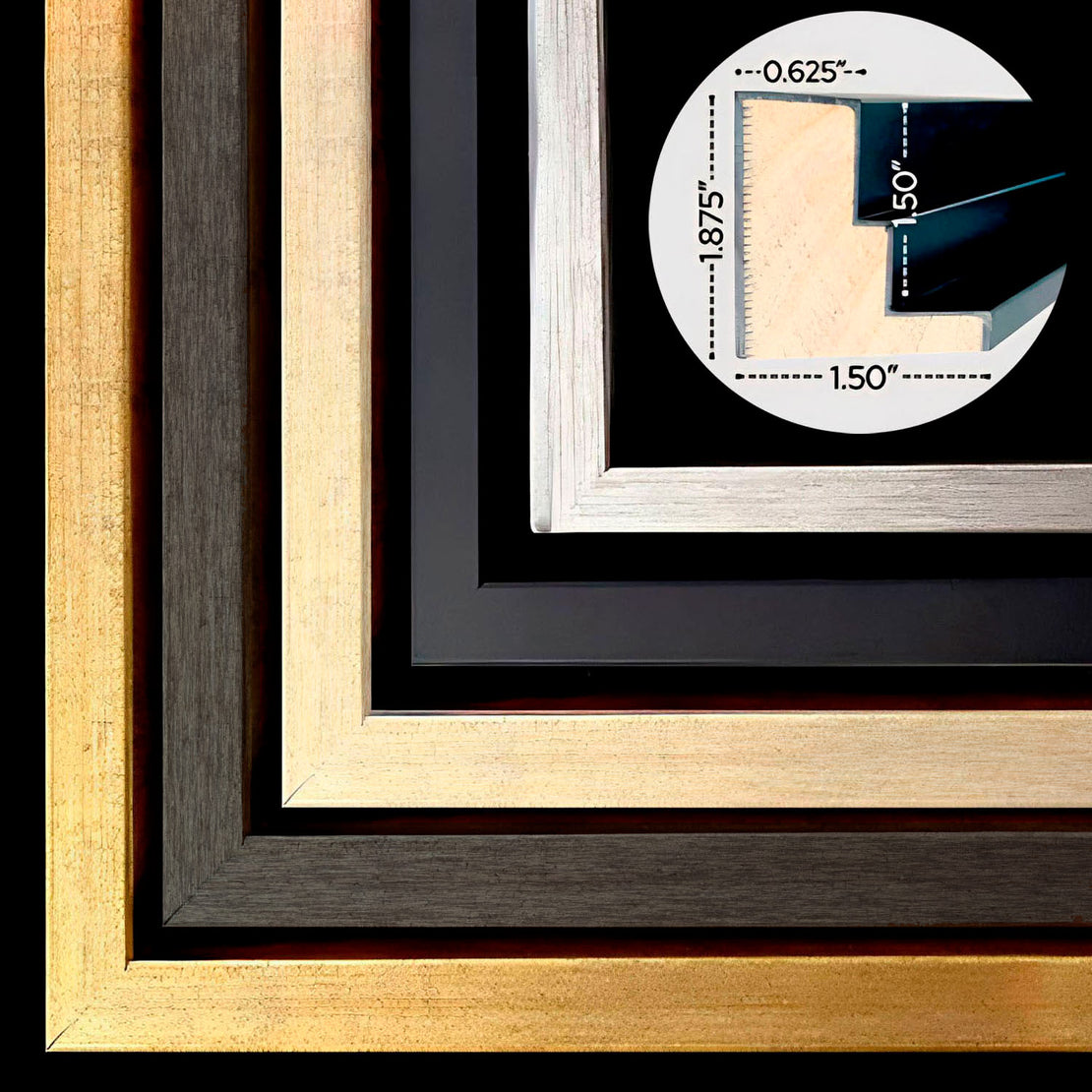
- Float frames available for a contemporary finishing touch to match your decor.
- Regular price
- $410
- Sale price
- $410
- Regular price
-
About Last Judgment
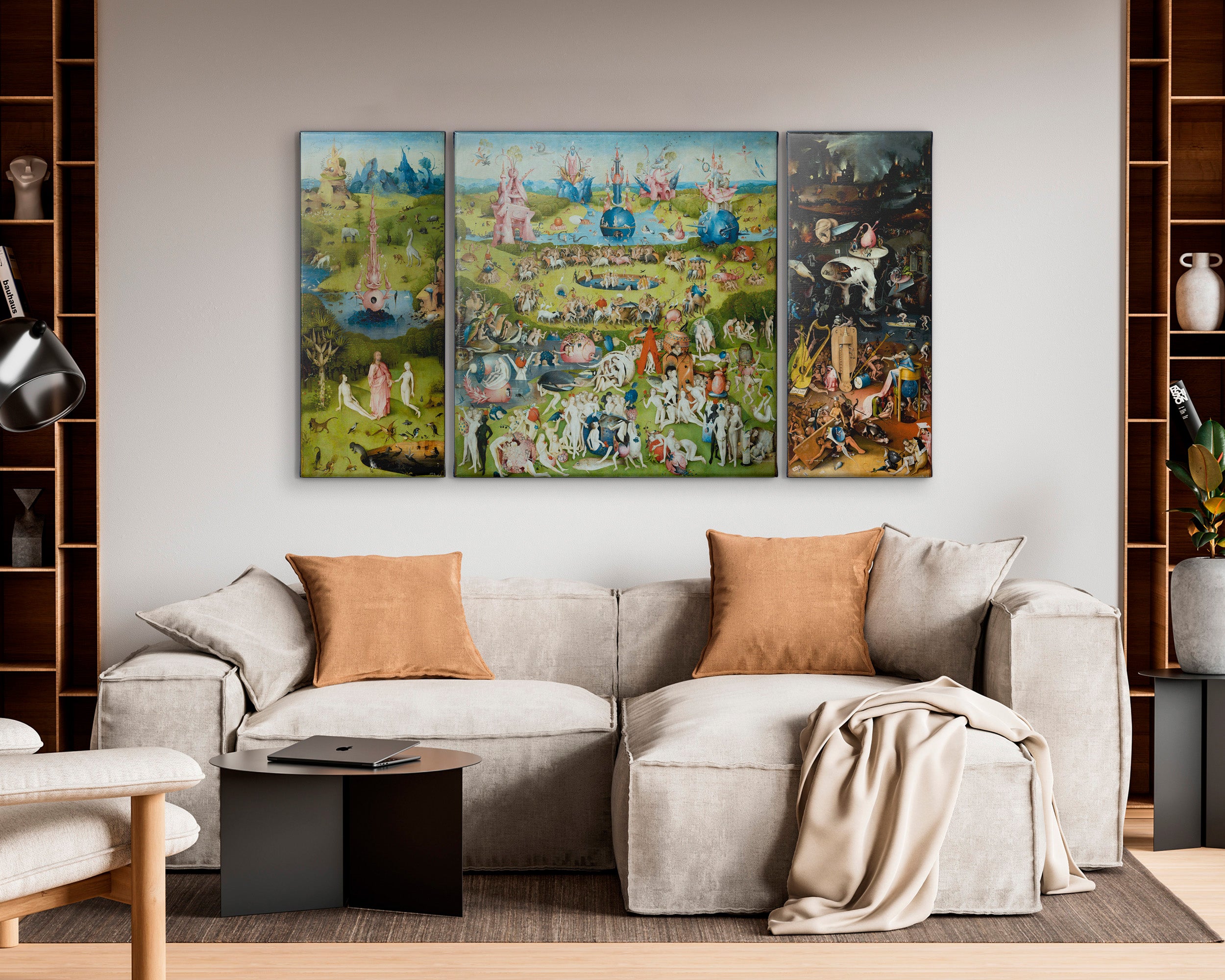
The Garden of Earthly Delights (1510, De tuin der lusten) by Hieronymus Bosch is a religious triptych warning against the perils of temptation. Triptychs from this period were generally read left to right, here the left panel portrays The Garden of Eden and the right panel the Last Judgment. The central panel and main subject, The Garden of Earthly Delights, is either a moral warning, or symbolic of paradise lost. The intricacy of the symbolism has led to a wide range of interpretations over the centuries.
The left panel (sometimes known as the Joining of Adam and Eve) depicts a scene from paradise, the Garden of Eden, and the moment when God presents Eve to Adam. The background reveals exotic animals for the period, including a giraffe, a monkey riding an elephant, and a lion. Birds and winged animals, some realistic, some fantastic, and other amalgams of real and imaginary creatures fill the scene.
The center panel depicts not the biblical paradise shown on the left, but a fantastical paradise teeming with male and female nudes, together with various animals, plants, and fruits. Humans riding horses, donkeys, unicorns, camels, alongside other exotic and fanciful creatures, all partaking in sensory pleasures.
The right panel depicts Hell (The Last Judgment), a world in which humans have succumbed to temptations that led to evil and reap eternal damnation. In a single, densely detailed scene, there are cities on fire, war, torture chambers, infernal caverns, demons and mutated animals feeding on human flesh. Animals punish humans, subjecting them to nightmarish torments that symbolize the seven deadly sins, matching the torment to the sin.
- All sizes given are in inches (″), assembled within a ¼″ tolerance.
- Stretched canvases are assembled within a ¼″ tolerance, ex. an 8x12″ canvas's final dimensions will be ~8x12″, on 1.5″ deep stretcher bars.
- Framed canvases are ~2″ larger, ex. an 8x12″ canvas's final framed dimensions will be ~10x14″ overall.
- Float frames are ⅝″ wide viewed from the front, and 1⅞″ deep; with a visible gap ("float") between the frame and canvas of ~¼″.
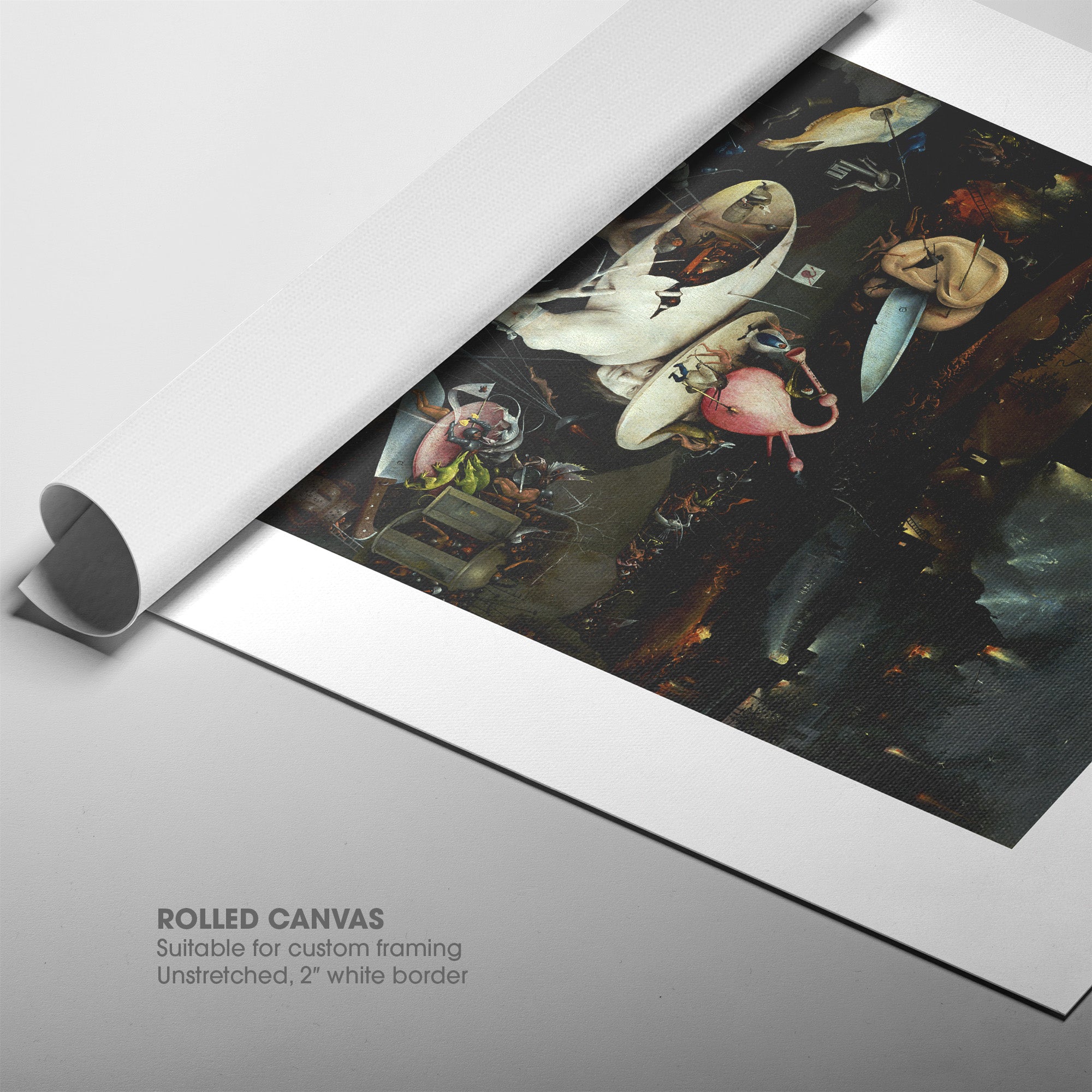
- Rolled canvases have a 2″ white margin to allow for custom stretching and framing, ex. an 8x12″ print's final dimensions will be 12x16″.
Gallery Wrap
Canvas prints, or gallery wrapped canvas, combine a classic medium with a modern finish.
- Hand-stretched over solid wood like the base of traditional painting.
- Black backboard and hanging wire installed, ready to hang — without a frame.
Canvases have a mildly reflective satin finish.

Float Frame
Float frames feature a visible gap ("float") between the frame and canvas.
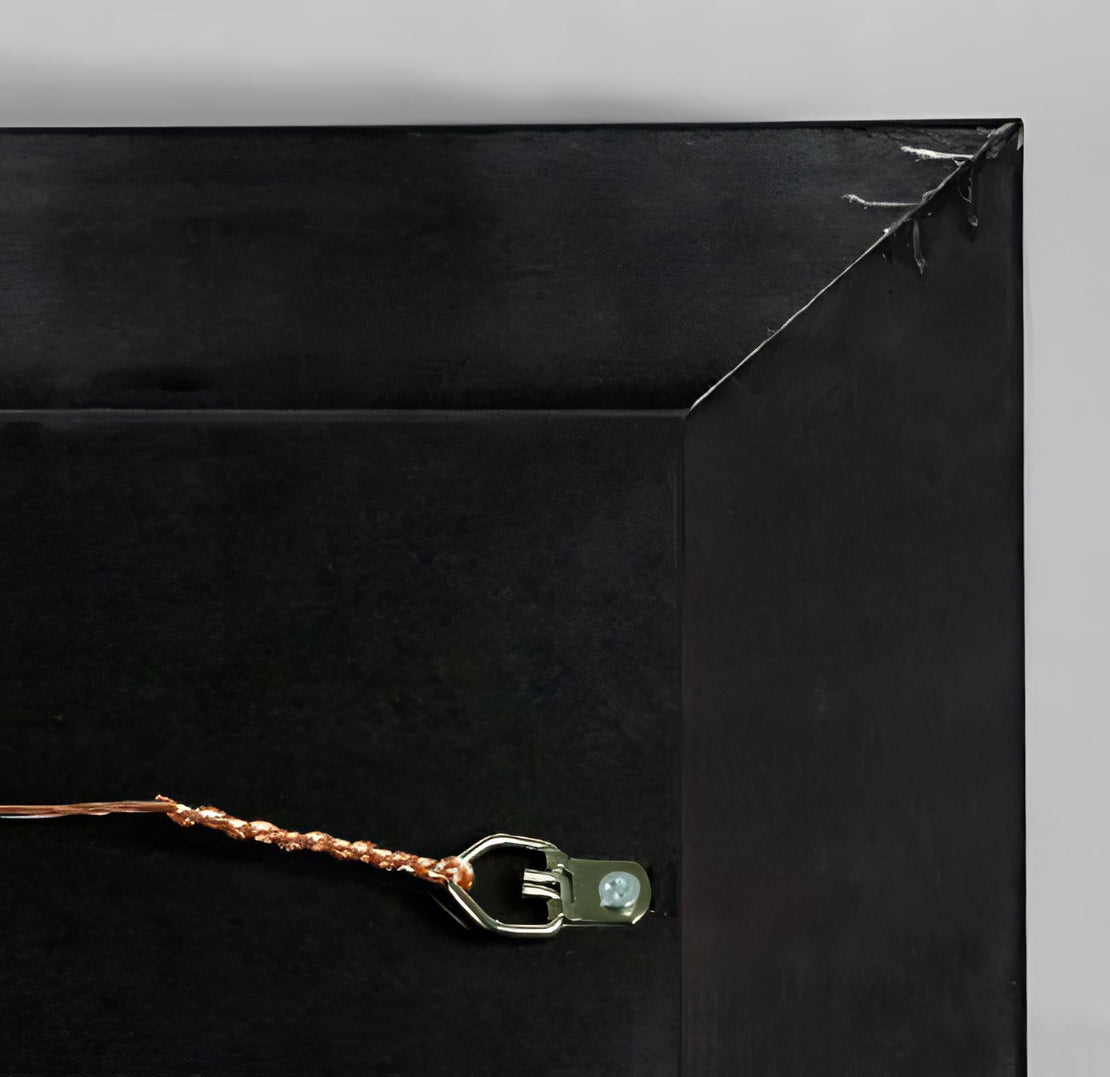
- Black backboard and hanging wire installed.
- No glass/glazing is used.
Canvases have a mildly reflective satin finish.
